Civil society organisations play critical roles in implementing and leading humanitarian responses, yet persistent barriers continue to limit their ability to shape inclusive responses on their own terms – particularly in restrictive, conflict-affected contexts.
This learning brief examines how civil society organisations operate in conflict settings, and how international actors can more effectively support local humanitarian leadership. Drawing on focus group discussions in the Democratic Republic of the Congo, Myanmar, Syria and Yemen, the study identifies where progress on localisation is being made, where it is stalling, and how INGO partnership practices influence both.
It shows that gains in local leadership are often driven by necessity rather than intentional change, and offers recommendations to help international actors rethink partnership approaches, share risk more equitably, and invest in diverse civil society ecosystems.
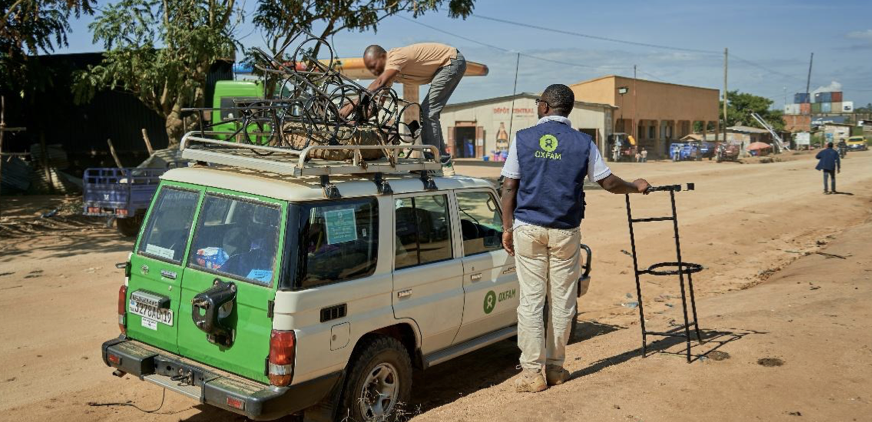
– Picture: Azaria Muhongya / Oxfam in DRC –