
Building hope and resilience: empowerment and change in Ethiopia
The programs he leads focus on both development and humanitarian efforts. Ethiopia, being the second most populous country in Africa, faces significant challenges, including high unemployment rates. One of Fikru’s key initiatives is creating job opportunities for young people, especially in a country where many depend on agriculture for their livelihoods.
We dream of a future where people no longer just survive, but truly live: enjoying life, celebrating its joys, and feeling hopeful for tomorrow.
Struggle to survive
With the increasing impacts of climate change and frequent droughts, many individuals in rural areas are struggling to sustain themselves. Our goal is to provide alternatives to informal work and prevent young people from migrating abroad in search of employment. Through job creation and sustainable development programmes, we aim to improve livelihoods and offer hope for a better future.
Through job creation and sustainable development programmes, we aim to improve livelihoods and offer hope for a better future.
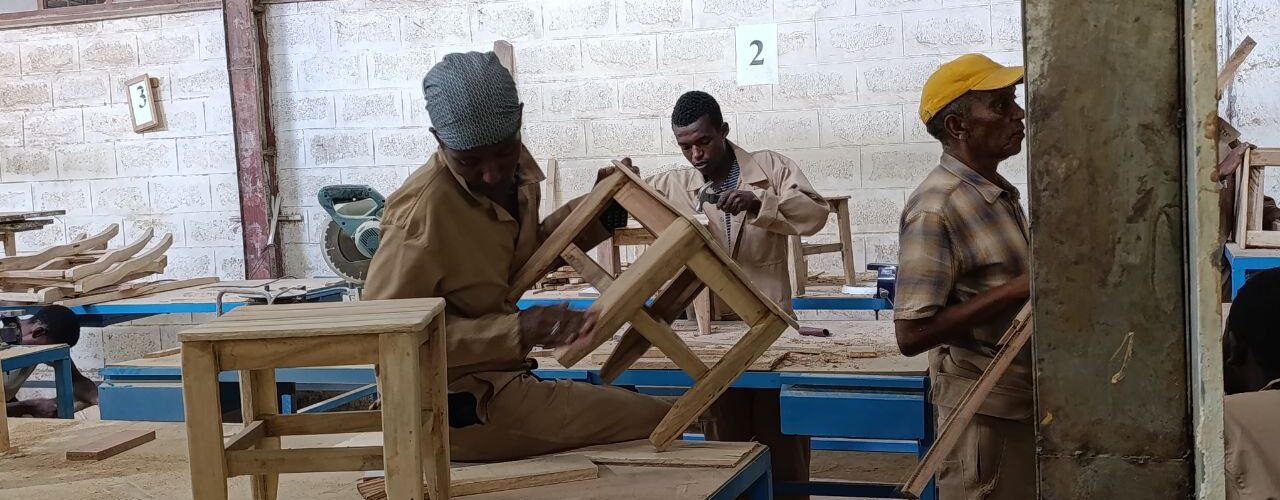
We also work with pastoralist communities, who move from place to place in search of grass and water. We support them because their lifestyle is often tied to conflict, as resources such as grazing land and water are frequently in short supply. This issue is not limited to Ethiopia; pastoralists often cross borders in search of these essential resources. Our focus is on food security for these communities, ensuring they have stable access to what they need to maintain their livelihoods and reduce the pressures of displacement and conflict.
Although we run a variety of development programmes, such as providing education for children, a significant part of our work focuses on humanitarian efforts. Displacement has increasingly become a regular occurrence, often due to tribal or other forms of conflict. When people are forced to move to new areas, they often lose their livelihoods. Dorcas supports internally displaced persons (IDPs), whether they are living in camps or trying to find alternative shelter. We provide them with emergency shelter and non-food items (NFIs) to meet their immediate needs and help them rebuild their lives.
Could you share a bit more about the challenges that you are facing?
One of the major challenges we are currently facing is the reduction in international aid, particularly following the decision by the Trump administration to halt USAID funding to Ethiopia. Ethiopia was one of the largest recipients of USAID support, and when this funding was cut, it had a significant impact. Many ongoing programmes were abruptly stopped, and even critical, life-saving initiatives were forced to close. It is deeply disheartening to witness the consequences of this funding loss, especially as these programmes were vital to the communities we serve.
Unfortunately, this issue is not limited to USAID. Many other donor countries have also reduced or reassessed their commitments to Ethiopia, which further exacerbates the situation. The loss of this support has created a substantial gap in resources for humanitarian and development work, making it even more difficult for organisations like ours to meet the growing needs of the most vulnerable populations.
The second major challenge for us is the ongoing conflict in various regions. When conflict erupts, it becomes incredibly difficult to travel, and the situation for local communities worsens significantly. In conflict zones, gender-based violence (GBV) often escalates, with women and girls bearing the brunt of the suffering. The violence is not only physical but also psychological, and the need for mental health support for survivors has become increasingly urgent. Providing adequate care and support in these contexts is a huge challenge, as many of these individuals are traumatised and in need of long-term psychological assistance.
The third challenge I’d like to mention is the increasing frequency of natural disasters. Just yesterday, for example, there was a significant earthquake that affected many people. In addition to earthquakes, droughts, floods, and landslides are becoming more common due to climate change. As a result, many people are forced to leave rural areas and migrate to urban centers in search of safety and better opportunities. However, once they arrive in cities, they often face unemployment and poverty, as they struggle to find work and integrate into urban life.
On a positive note, the government is making efforts to combat the effects of climate change, such as through large-scale tree planting initiatives, which is a promising step forward. However, when we look at the broader changes in the environment, it’s clear that the situation is evolving and will likely become an even bigger challenge in the years to come.
Is Dorcas working in war torn areas?
Yes, but access is sometimes a major challenge for us. We are committed to helping people who are on the move, seeking safety in other areas. Our priority is to reach those who are displaced and in urgent need of assistance. To do this effectively, we collaborate with other organisations, pooling resources to provide humanitarian aid together.
I am fortunate to have a dedicated team of staff who are passionate about going to the most affected areas, despite the obstacles they may face. We do everything we can to support those in need, but there are often logistical and security issues that make it difficult to reach some of the most vulnerable communities.
I am fortunate to have a dedicated team of staff who are passionate about going to the most affected areas, despite the obstacles they may face.
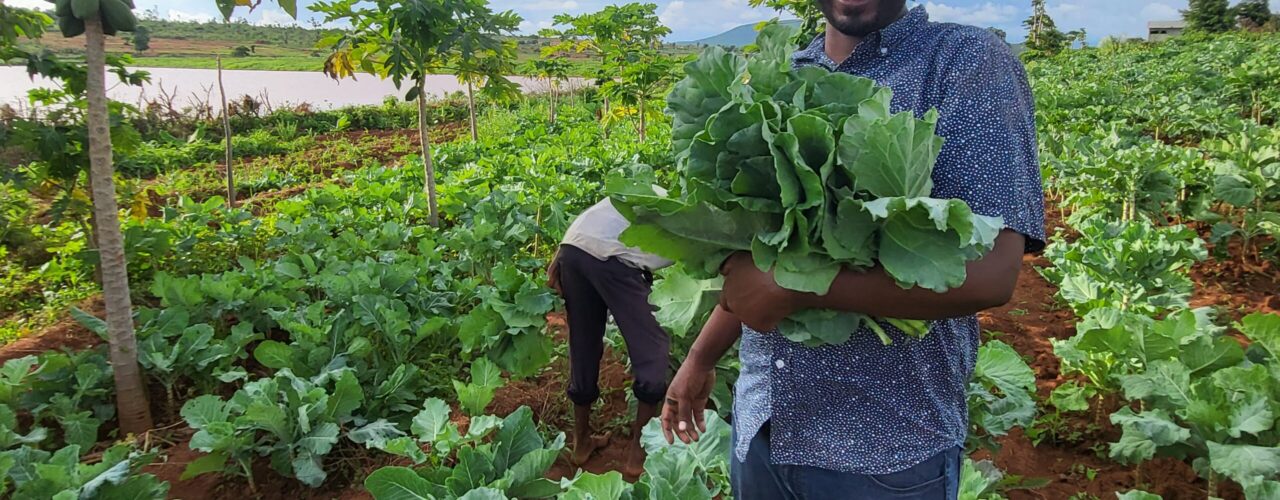
On this picture you see one of our early recovery projects which is located on the border with Kenya, an area that is well known for its frequent droughts and harsh, desert-like conditions. The community here is heavily dependent on livestock for their livelihood, and the men often travel from place to place in search of grazing land and water, while women and children tend to stay at home. The entire community is armed to protect their livestock from theft, which is a common concern in this region.
During the dry season, the lack of water and grazing land becomes critical, with people sometimes travelling hundreds of kilometers in search of resources. Boys, in particular, are often kept at home to help with the herding, which means they miss out on education. Conflicts with local communities over resources are also frequent.
To support this community, we helped build an artificial lake that provides a reliable source of water, even during the dry season. In this region, the drought was so severe that nearly 3 million animals died; a heartbreaking loss for the community. All the natural ponds had dried up, except for the one we helped create. This artificial lake has not only provided them with water but has also helped ensure a more sustainable livelihood by stabilising access to this vital resource.
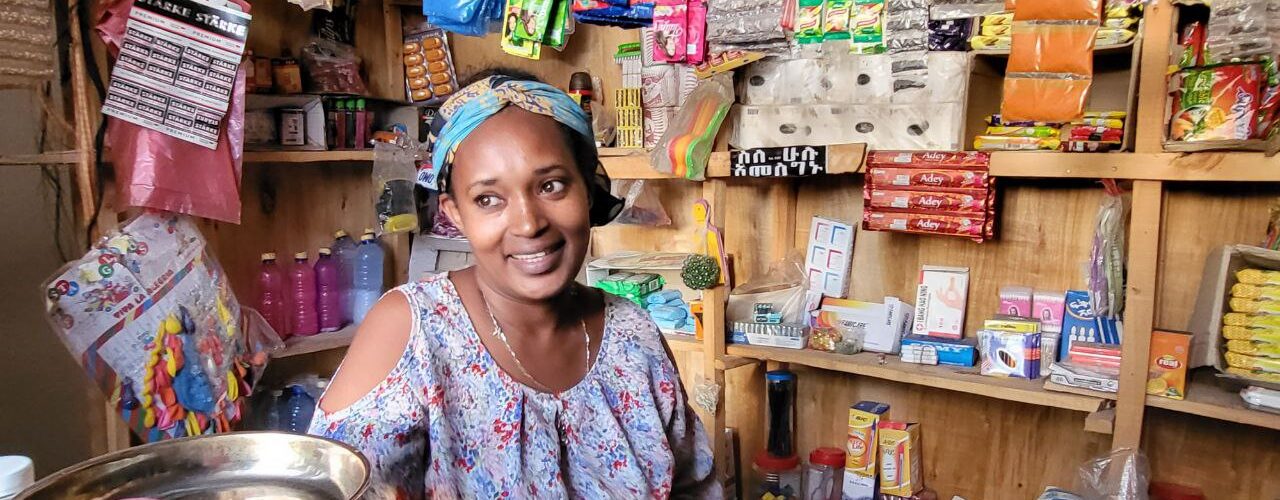
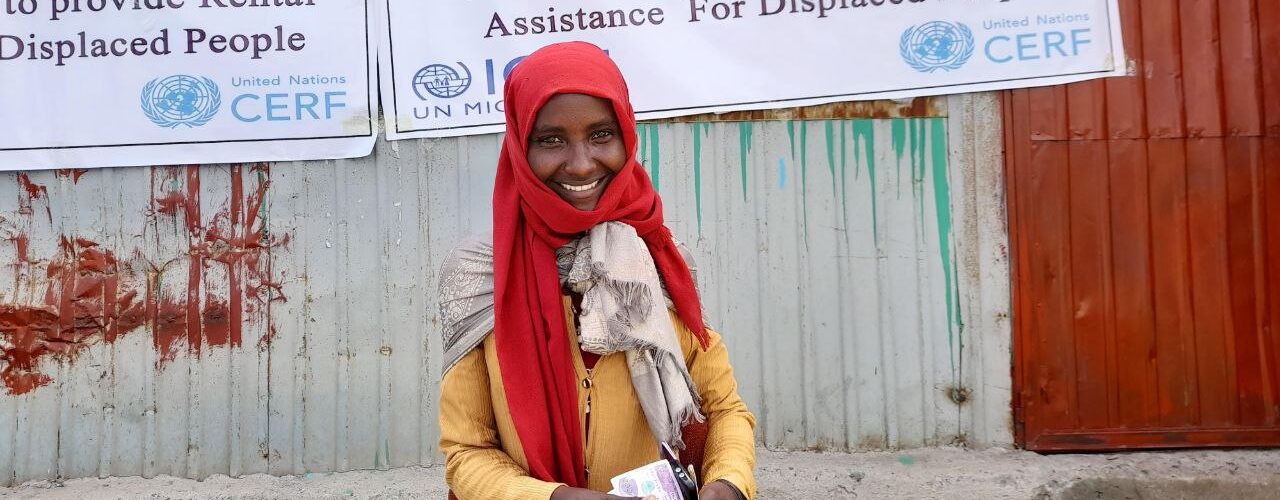
In the southern part of Ethiopia, many different communities from diverse backgrounds live together. One of the key areas we focus on is job creation for young people. This particular young woman had been unemployed, and like many others in her situation, accessing financial support to start her own business was a significant challenge.
Our work targets the poorest of the poor, who often cannot secure the finances needed to launch their own ventures. We don’t just provide them with access to funds; we also offer essential support, including business planning, education, and guidance on how to start and sustain a business. As part of our programme, we run a 15-day training course, during which participants learn crucial skills, including how to create a solid business plan.
Once the training is complete, we help them obtain a legal identity, allowing them to operate their businesses formally. This woman is now the proud owner of her own shop and is earning a steady income, which has significantly improved her life and the lives of those around her.
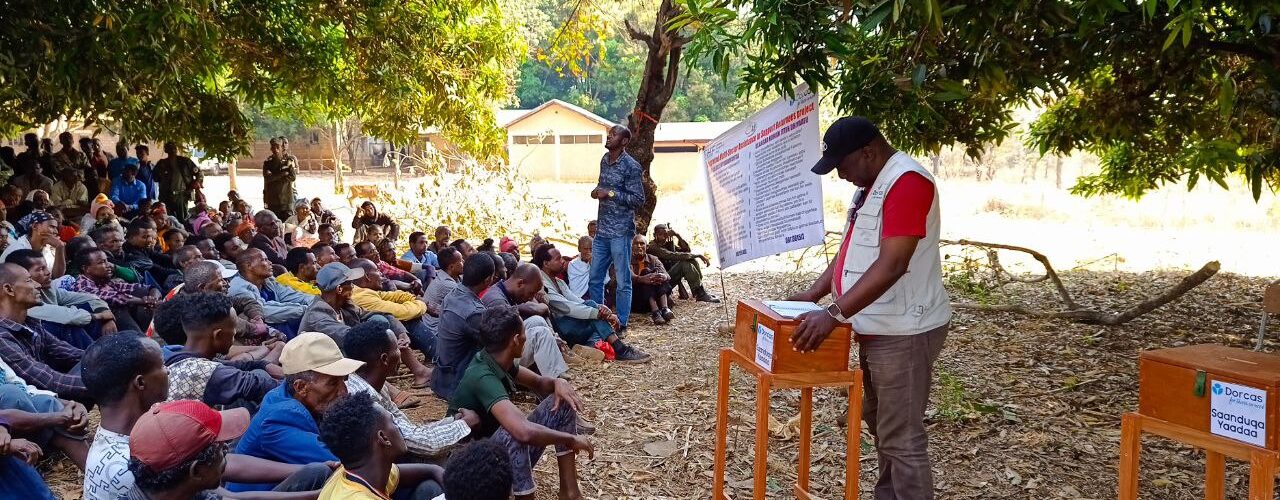
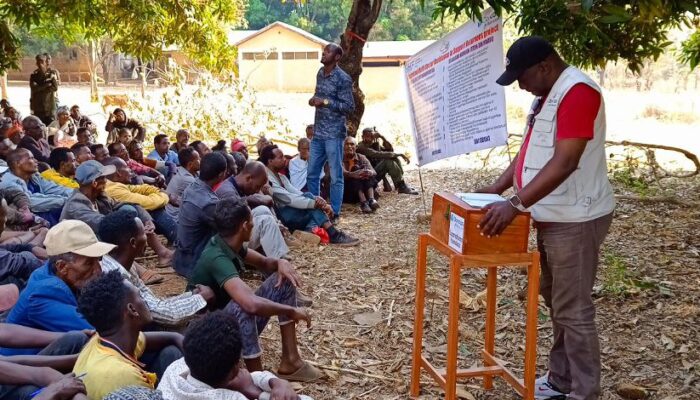
This is one of our humanitarian project managers, and the people you see in the picture are internally displaced persons (IDPs) who have fled their homes due to conflict. When people are displaced, they are forced to leave everything behind, grabbing only what they can in order to survive and protect their families. It’s an incredibly difficult and traumatic experience.
To support these individuals, we have a robust mechanism in place to provide them with the help they need. One of the key aspects of our approach is ensuring that displaced people have a way to express their complaints and share their feedback after receiving aid. This allows them to voice their opinions on the support they’ve received and ensures that we are meeting their real needs.
What we do is not just top-down; we genuinely want to listen to the community and understand what they need. By incorporating their input, we can improve the effectiveness of our programmes and make sure that the aid we provide is truly beneficial to those who need it most.
How is it for you to work for and with Ethiopians and see that people are in so much need?
It is deeply painful, but it also serves as a powerful motivation for us. Our goal is to create hope and restore dignity to those who have lost so much. The need is overwhelming, and while we can’t address every issue, we do our best to make a meaningful contribution. Of course, it’s never easy, but we are committed to doing whatever we can. Ethiopia has tremendous potential, but the ongoing conflict has caused so much destruction. It’s heartbreaking to witness.
One memory that still haunts me is of a woman who lost both her husband and son during the war. Her husband and son were killed by unidentified armed groups, and she was forced to flee with her remaining children. Tragically, one of her sons suffered an epileptic attack, fell into a fire, and was unable to receive the medical care he needed in time.
We did our best to support her by helping her access a hospital and providing some comfort and counselling to help her process the trauma. These are the moments that remind us of why we do this work, despite how difficult it can be.
Are you working together with a lot of local organisations?
We truly believe in the power of partnerships. We work with a wide range of local partners, including churches and community-based organisations. In fact, more than half of our budget goes to supporting these local partners. We take a strategic approach to identifying and collaborating with active, trustworthy partners in the areas where we work.
When we decide to partner with an organisation, we assess various criteria, including their track record, their community links, and the trust they’ve built locally. We place a strong emphasis on working with local organisations because they are deeply embedded in their communities and have the vital connections and trust needed to make a lasting impact. By supporting these partners, we’re able to ensure that our work is relevant, sustainable, and truly reflective of the needs of the communities we serve.
What are you proud of if you look at the projects that Dorcas is involved in?
I am incredibly proud of the fact that we are able to create hope in people’s lives. We have already created thousands of jobs, and seeing the impact of this on individuals and families is truly rewarding. Providing people with the opportunity to work gives them a sense of purpose and dignity, which is priceless.
What I find most fulfilling is showing people opportunities they may not have seen for themselves. In many cases, they feel stuck or overlooked, but when we can help them discover a way forward, it’s like a light has been turned on. Being able to play a part in that transformation is something I will always be proud of.
Being able to play a part in that transformation is something I will always be proud of.
What is your dream for the future?
We hope to see resilient, strong, and flourishing communities where access to proper nutrition is no longer a concern, and where parents can send their children to school without worry. We dream of a future where people no longer just survive, but truly live: enjoying life, celebrating its joys, and feeling hopeful for tomorrow.
We dream of a future where people no longer just survive, but truly live: enjoying life, celebrating its joys, and feeling hopeful for tomorrow.
Read more about the work of Dorcas in Ethiopia here.
Date: 8th of December 2025
Author: Marianne van Elst-Sijtsma