Expert meeting
Conflict-related sexual violence & humanitarian action
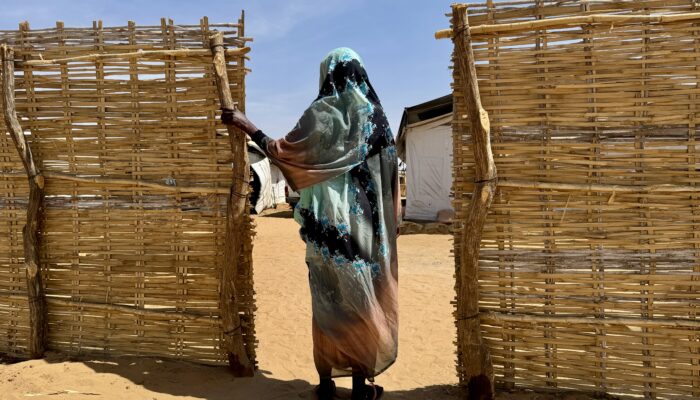
Aisha*, 35, has been displaced multiple times by the conflict in North Darfur.
On invitation only
Please find the summary report here.
Across the globe, conflict-related sexual violence (CRSV) continues to devastate the lives of individuals of diverse sexual orientations and gender identities. CRSV overwhelmingly targets women and girls. However, men, boys and members of sexual and gender minorities are also affected, and face significant barriers to care due to stigma, lack of specialised services, and, in many regions, the criminalisation of their identities. According to the United Nations Security Council (2025), “The crisis of CRSV is deepening, reflecting the widening scope of warfare globally,” with a reported 25% increase in documented cases in 2024 compared to the year before. At a time when conflict-related sexual violence is increasing, the systems meant to implement protection and response are weakening.
In this KUNO session, practitioners, survivors, policymakers and scholars are brought together to explore how, in this context, the humanitarian community can ensure specialised, survivor-centred care for conflict-related sexual violence survivors. The session focuses on general trends, as described below, and responses and will also zoom in specifically on the case of Sudan. Effective interventions and critical improvements in response and protection are needed. This knowledge session will allow the participants to:
- Exchange analysis on emerging trends that increase vulnerability to conflict-related sexual violence and undermine accurate humanitarian response.
- Critically assess whether the current approaches are contributing to accurate (survivor-centred) responses.
- Identify practical strategies to strengthen protection and response despite shrinking funding and access.
- What are humanitarian actors already doing to push back/adapt?
- What are the opportunities for innovative ways and collaboration?
- Malala Mojwok, National Coordinator, SUNS South Sudan, SEMA member
- Hala Alkarib, Director, Strategic Initiative for Women in the Horn of Africa (SIHA) Network
- Ruth Kauffman, Médecins Sans Frontières
- Apolline Pierson, Voice Team Leader, The Mukwege Foundation (to present the Practical Guide on the Survivor-Centred Approach)
This session will be moderated by Dominique Vidale-Plaza, Director of Care and Country Programs, The Mukwege Foundation.
Send an email to kuno@kuno-platform.nl for more information.
– Picture MSF, Cindy Gonzalez –
Sexual violence is widely weaponised by armed groups and state actors in conflict settings. Deliberate attacks on civilians, aid workers, and healthcare facilities, combined with infrastructure destruction and sieges, prevent humanitarian access to survivors. Global budget reductions, especially USAID cuts, are significantly impacting sexual gender-based violence (SGBV) programming. Remaining funds prioritise immediate life-saving aid, deprioritising protection and survivor care. There is a global anti-rights movement that is undermining sexual and reproductive health and rights, gender equality and LGBTIQ+ rights through restrictive funding conditions and discriminatory rhetoric. This increases vulnerability to violence and decreases survivor support.
Other challenges are found within the humanitarian system, including problems in the referral systems that lead to failure to meet survivors’ needs in privacy protection and the need for more long-term and specialised care; and the layered and systemic causes of sexual violence are not always understood comprehensively.
Conflict-related sexual violence results in severe and often lifelong physical and psychological harm. Survivors face trauma, sexually transmitted infections, unwanted pregnancies, physical mutilation, and in some cases, death. Beyond the immediate violence, stigma, rejection, and social exclusion further compound the harm. Mothers of children born of wartime rape, as well as the children themselves, often bear the additional burden of marginalisation by their families and communities