
"Afghanistan should not be forgotten".
Can you share something about yourself and the projects that you are involved in?
My name is Sayed Wais and I am working with Cordaid as a humanitarian aid program manager. I do this for almost 6 years now. Before that, I worked in other humanitarian organisations in Afghanistan since 2002.
The projects that we implemented are multi-sectoral lifesaving assistance and improving access to basic services. in response to new, sudden or slow onset crises, as well as in protracted crises, in line with international quality standards. We are focusing on Food Security & Livelihoods (FSL), WASH, Shelter/Non food items (NFI), with protection mainstreamed throughout all interventions. Cash is a preferred modality, which is used as a sectoral approach or as a multi-purpose stand-alone intervention. We work in different regions of the country and with different partners and donors.
Our focus is on the most vulnerable people, and we really try to see where the biggest needs are.
How do you identify the most vulnerable people?
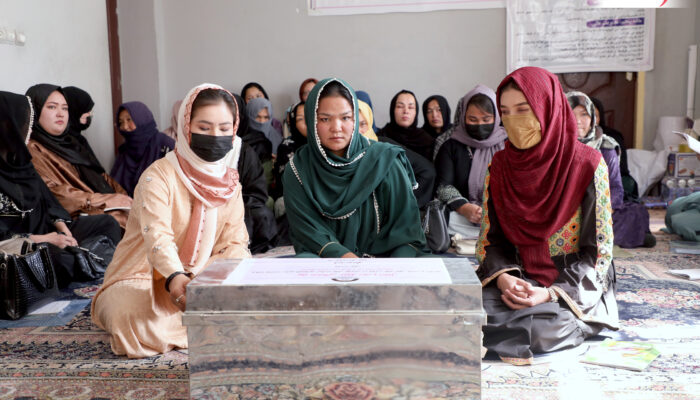
We identify the most vulnerable people through the humanitarian cluster approach, which ensures coordination among UN agencies, NGOs, and local actors. Vulnerability is assessed through door-to-door assessment and the use of a multi-cluster assessment tool, and we established a Community Based Selection Committee involving all local stakeholders in the selection for transparency. We have specific criteria (female-headed households, families with persons with disabilities or elderly dependents, households affected by natural disasters, internally displaced persons (IDPs) and returnees) to identify vulnerability. Two of the most vulnerable groups are female-headed households and families with persons with disabilities. Here in Afghanistan, these groups face the greatest barriers to survival and self‑reliance. Widows and women without male support struggle due to restrictions on women’s employment and limited livelihood opportunities, while families with disabled members often lack income and require additional care.
How do you select your target areas?
UN agencies, together with humanitarian NGOs, often analyse the situation, or when a disaster happens in a region, we try to find partners in that specific area to collaborate with.
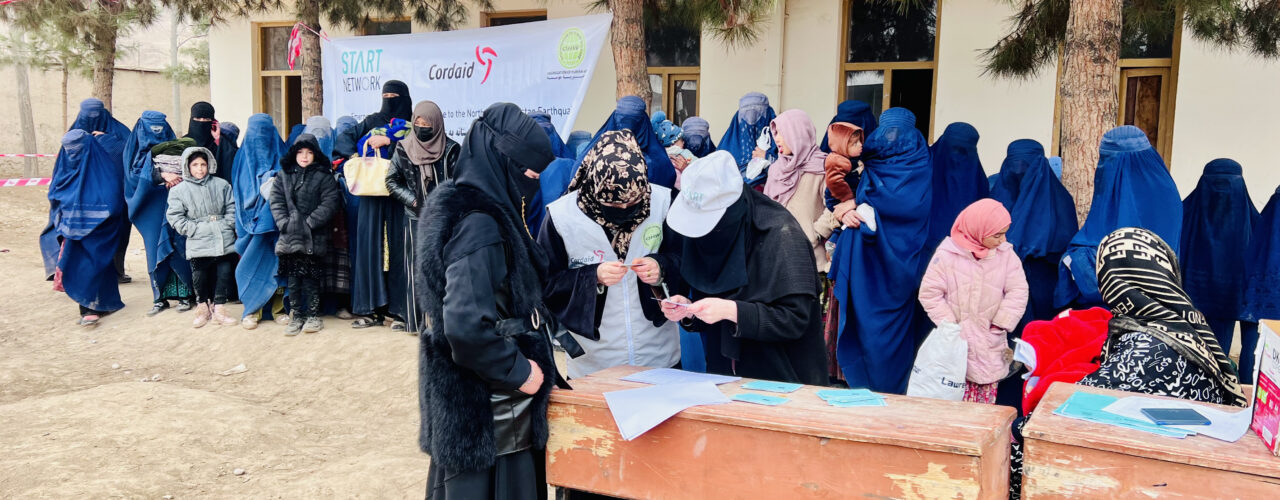
We select target areas based on a combination of needs assessments, vulnerability indicators, and cluster coordination. Areas most affected by conflict, displacement, and natural disasters such as droughts or floods, are prioritized. Coordination with humanitarian clusters ensures alignment with national priorities and prevents duplication, while consultations with local councils validate findings and ensure cultural appropriateness. We concentrate operations where humanitarian needs are most severe, access is feasible, and assistance can reach the most vulnerable populations effectively.
Can you share something about crisis in Afghanistan? And how is it to offer humanitarian aid?
Afghanistan continues to face one of the world’s largest humanitarian crises, with the 2026 Humanitarian Needs Overview estimating 21.9 million people in need of assistance, of which 17.5 million are prioritized for aid. IPC (Integrated Food Security Phase Classification) analysis shows that millions are in IPC Phase 3 (Crisis) and Phase 4 (Emergency), meaning they cannot meet basic food needs without external support. While the security situation has improved since 2021, allowing better access to remote areas, humanitarian operations remain constrained by restrictions on women working in aid delivery. This is critical because much of our programming is designed “from women to women”, and without female staff, we cannot reach female beneficiaries effectively. To address this, Cordaid has engaged with local authorities to negotiate practical solutions, such as maintaining female colleagues in separate workspaces and ensuring compliance with cultural requirements. These measures have allowed us to continue reaching vulnerable groups, especially female‑headed households, persons with disabilities, and disaster‑affected families.
And what are the protracted crises that you are currently facing?
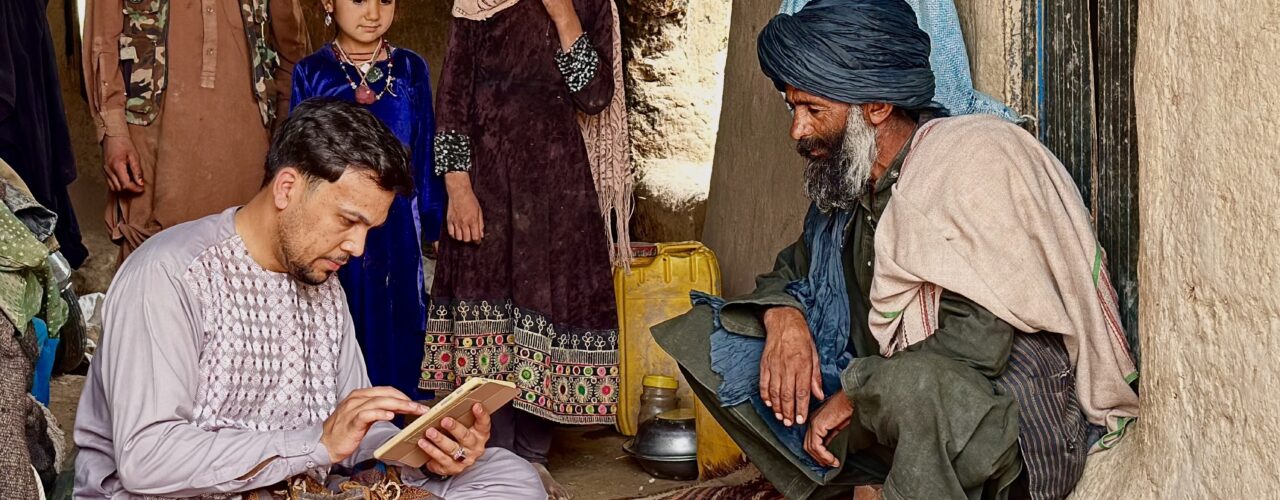
Afghanistan is facing several protracted crises that continue to drive humanitarian needs. Years of conflict and economic collapse have undermined resilience, while climate‑driven droughts and recurrent floods push families deeper into poverty and food insecurity. At the same time, large‑scale returnee influx, restrictions on women’s participation in public life, and underinvestment in essential services compound the situation. Even though security has improved since 2021, humanitarian actors must constantly adapt to these overlapping challenges to ensure aid reaches the most vulnerable.
Could you share a bit about the funding shortfall?
The funding shortfall has become a major issue for our work in Afghanistan. We began to feel it strongly when USAID stopped its activities, which heavily affected humanitarian assistance, both directly and indirectly. At the same time, other regions of the world demanded urgent funding, further reducing available resources for Afghanistan. The consequence is that we cannot reach all those in greatest humanitarian need. We are working on solutions and investing in capacity building, but if funding remains at current low levels, the impact will be severe. For example, after last year’s major earthquake, many families are still living in tents through the harsh winter because there was not enough funding to provide durable shelter.
Many families are still living in tents through the harsh winter because there was not enough funding to provide durable shelter.
Does the government help?
Yes, the National Disaster Authority has established a fast-track support under the leadership of the de facto Minister to facilitate smooth work of the NGO and the UN in Afghanistan and the government has tried to help people in need, particularly during the initial emergency phase when they supported evacuations and provided assistance to affected families. They have made efforts to offer support where possible, but their capacity is limited because they lack sufficient resources. As a result, while their involvement has been valuable in certain moments, the scale of the crisis far exceeds what they can provide on their own.
Are you working together with other organisations?
Yes, Cordaid worked in Afghanistan through different modalities to ensure flexibility and reach. In some areas, where no suitable partner is available, we implement projects directly with our own staff. In other regions, we collaborate with local national NGOs, each specializing in different aspects of humanitarian aid, which strengthens community ownership and sustainability. In addition, Cordaid serves as the lead agency of the Dutch Relief Alliance (DRA) program in Afghanistan, coordinating efforts with both national and international organizations. This blended approach allows us to combine direct implementation, local partnerships, and international coordination to maximize impact and ensure aid reaches the most vulnerable communities.
How do you deal with seeing so many people in need?
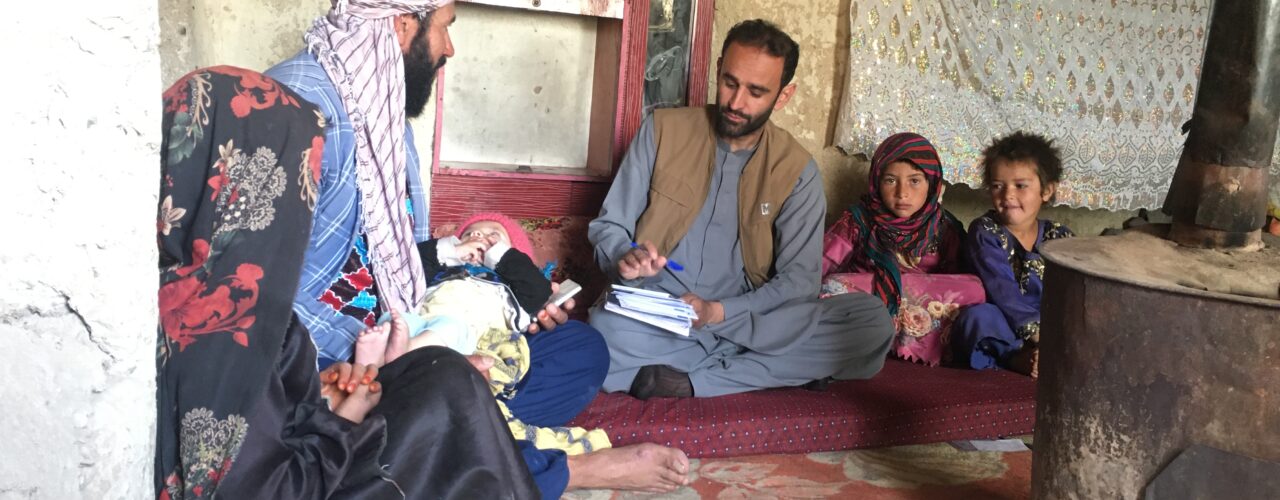
That is always a challenge. When we go to the field, many families ask for support, but resources are limited. We try to prioritize as carefully as possible and explain the criteria to communities, while also checking if there are other forms of assistance available for those who approach us. Even though we cannot help everyone directly, we make sure that people feel heard and that we explore every possible option to connect them with support.
Its always hard to say that you cannot help people. However, we always try to see where we can work together or if there are other organisations that we can refer them to.
Do you have any programs that are sustainable for the future?
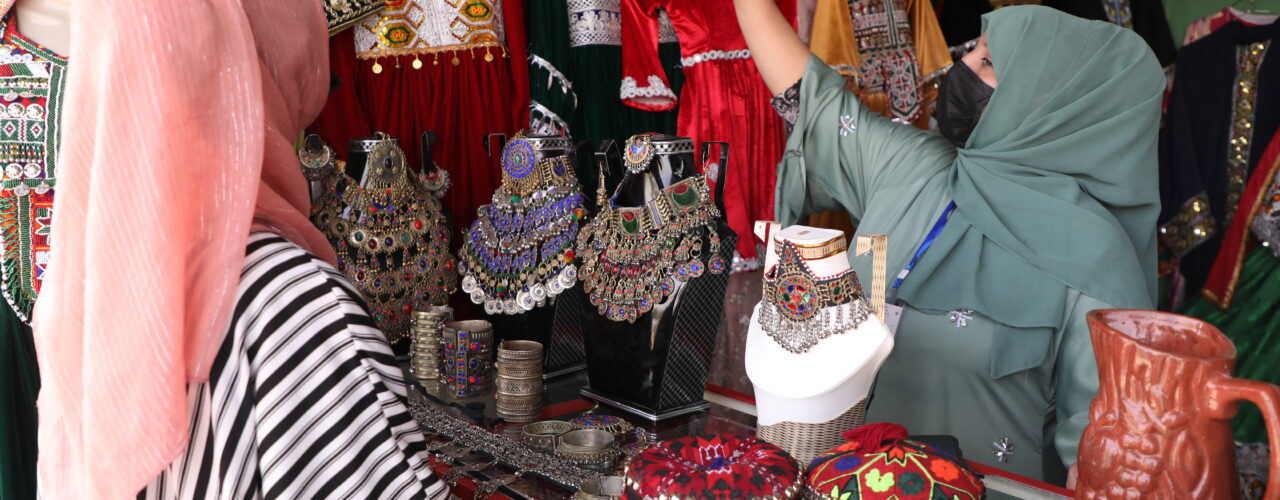
Yes, beyond immediate humanitarian relief, Cordaid invests in activities that help families generate income and build resilience. For example, we are implementing the food security and agriculture support, vocational training, health support etc under DRA. We support small businesses such as tailoring and handicrafts, enabling people to produce and sell goods in local markets. We also promote kitchen gardens for women, where they learn to manage their own crops and sell surplus produce, creating both food security and income opportunities. These livelihood programs not only provide immediate support but also empower communities to sustain themselves in the long term, reducing dependency on aid and strengthening local economies.
What makes you proud?
When we do field visits I always feel proud. When we see people that we support they tell us that their lives really changed. But also when I see the number of people who are getting sick dropping because of interventions, that makes me happy.
I feel proud whenever I visit the field and see the impact of our work firsthand. Hearing people tell us that their lives have truly changed because of the support they received is incredibly rewarding. It also makes me happy to see tangible results, such as the number of people falling sick decreasing because of the safe drinking water, because we built the water system. These moments remind me that, despite all the challenges, our efforts are making a real difference in people’s lives.
These moments remind me that, despite all the challenges, our efforts are making a real difference in people’s lives.
What is your hope for the future?
My hope for the future is that there will be more opportunities for those who are truly in need. I want to see people gain skills, education, and livelihoods so they can manage their own lives without relying on humanitarian aid. With the security situation gradually improving, there is a sense that communities can begin to rebuild and regain independence. I hope this progress continues so that Afghans can look forward to a future where resilience and self‑reliance replace dependency.
Is there anything else you would like to share?
Afghanistan should not be forgotten. Right now, people here urgently need support, and the humanitarian situation remains critical. While we hope the future will bring stability and opportunities for Afghans to rebuild their lives, at this moment many families are still struggling with poverty, displacement, and the aftermath of disasters. Continued attention and solidarity are essential to ensure that those most in need are not left behind.
Read more about the work of Cordaid in Afghanistan here.
Author: Marianne van Elst-Sijtsma
Date: 26 February 2026